medium
Bronze
Bronze holds a record of every hand that touched it. The wax carries the modelling, the cast carries the wax, and the patina carries the months after. A bronze rushed at any of those stages shows it under raking light.
From wax to metal
Almost every bronze the house accepts is cast by the lost-wax method. The maker models in wax, the foundry builds a ceramic shell around it, the wax is burned out, and molten bronze fills the void it leaves. The shell is then broken away, which is why the process gives one cast per mould and why an edition is a series of separate castings rather than copies stamped from a machine.
What comes out of the shell is not the finished work. It arrives with sprues where the metal ran in, seams where the shell met, and a raw surface. Everything after that is hand work, and it is where the difference between a good bronze and a dead one is decided.
The house looks at the chasing first
Chasing is the working of the metal after casting: cutting back the seams, re-cutting detail the mould softened, and bringing the surface to where the maker intended. Where a maker has chased properly, the highlights fall where light would fall on a real body. Where a maker has skipped it, the piece reads flat and slightly swollen, as though seen through water.
The house checks the passages that are hardest to fake. The inside of a wrist. The junction where a limb meets the torso. The back of a head, which a maker who is working to photograph well often leaves alone.
Patina is not paint
A patina is a chemical film grown on the surface, not a colour laid over it. Applied hot and worked back by hand it sits in the low areas and leaves the raised ones bright, so the metal reads as a body catching light. Applied as a single dip it covers everything at once and flattens the form the maker spent months building.
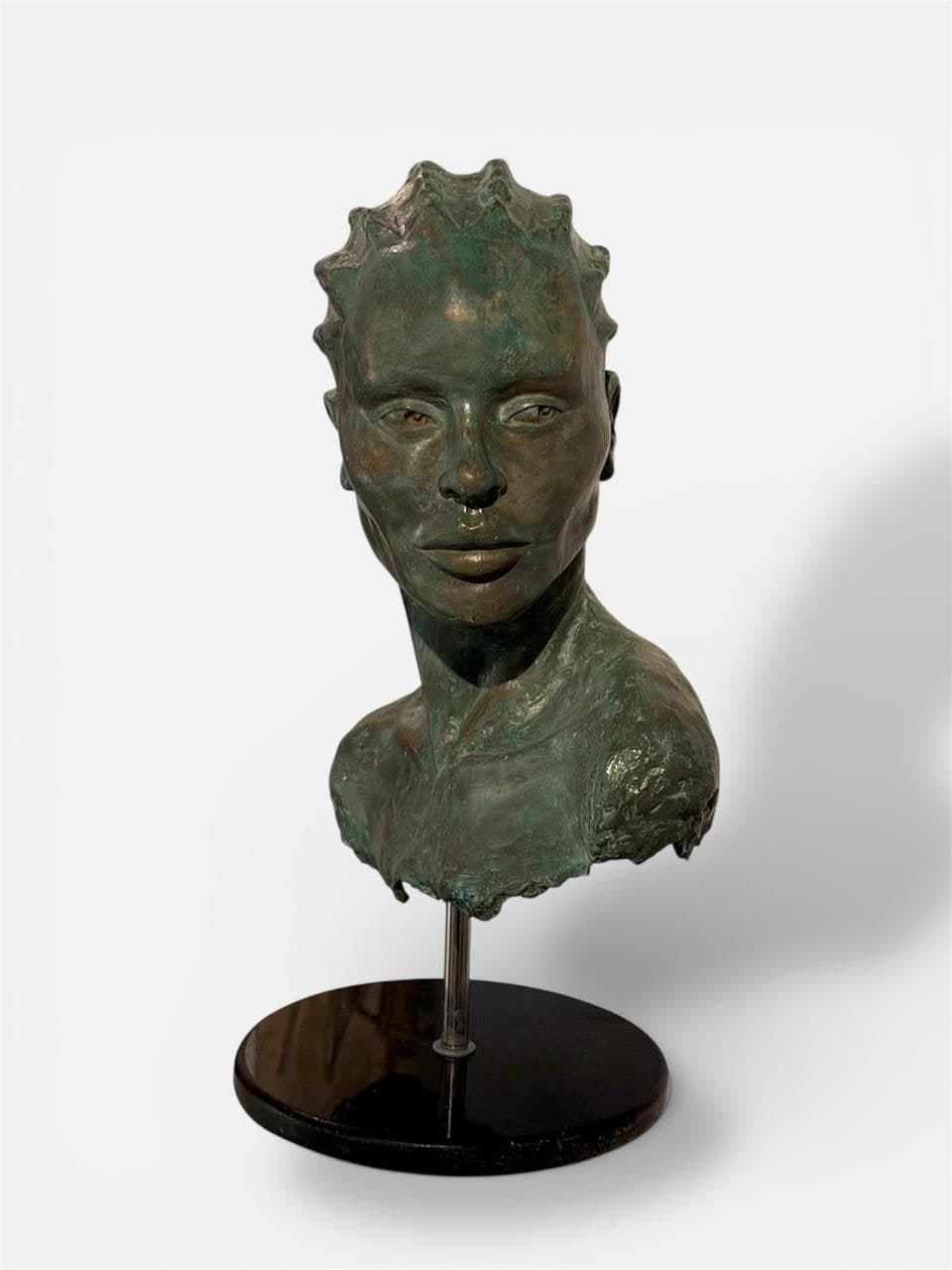
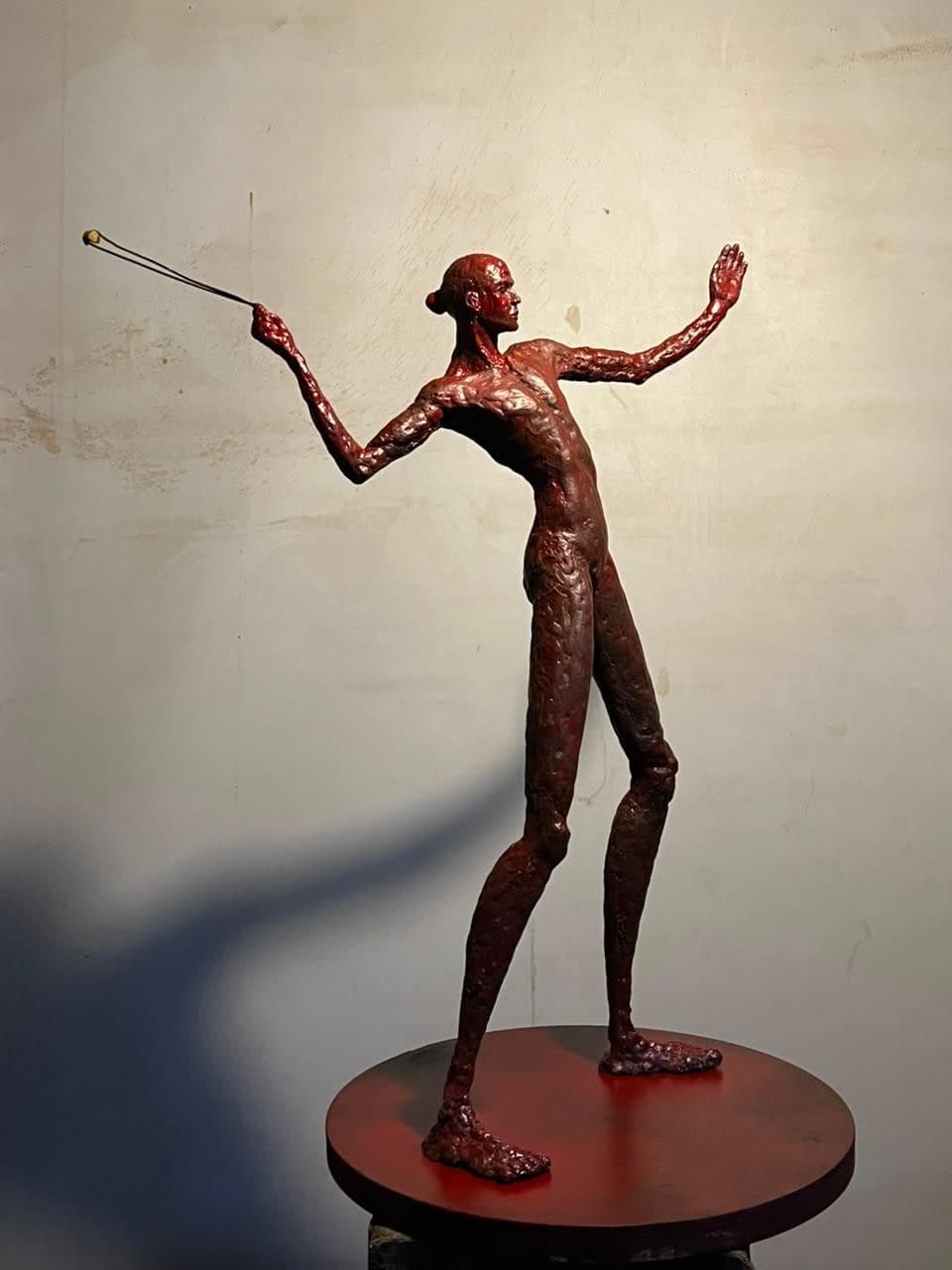
The green on Warrior Head came from months of controlled exposure, which is why copper still reads through at the cheekbone. The oxblood on Freedom Throw went on hot and was cut back by hand.
Editions stay small and closed
The house works in small numbered runs. When a run finishes it does not reopen, and no second edition appears in a different size or patina to extend it. The certificate records the number so a collector can see exactly what they hold and how many others exist.
A limited run is a fact of the making rather than a marketing device. What that distinction means in practice is set out on the Standard.