theme
The Human Figure
The figure is the oldest test in sculpture and the least forgiving. A viewer who has never studied anatomy still knows when a shoulder sits wrong, which leaves a maker nowhere to hide.
Why the body is the hard test
Everyone reading a figure has spent their whole life looking at bodies. That is the problem. An abstract form can be judged only against the maker’s own logic, but a figure is judged against every person the viewer has ever seen. A knee half a centimetre out of place registers as wrong even to someone who could not say why.
The tell is rarely the face. It is the weight. A standing figure has to distribute its mass through the legs the way a real body does, and a maker who has not resolved that produces something that looks like it would fall over.
Three distances
The works gathered here approach the body from different ranges, and each asks for something different from the maker:
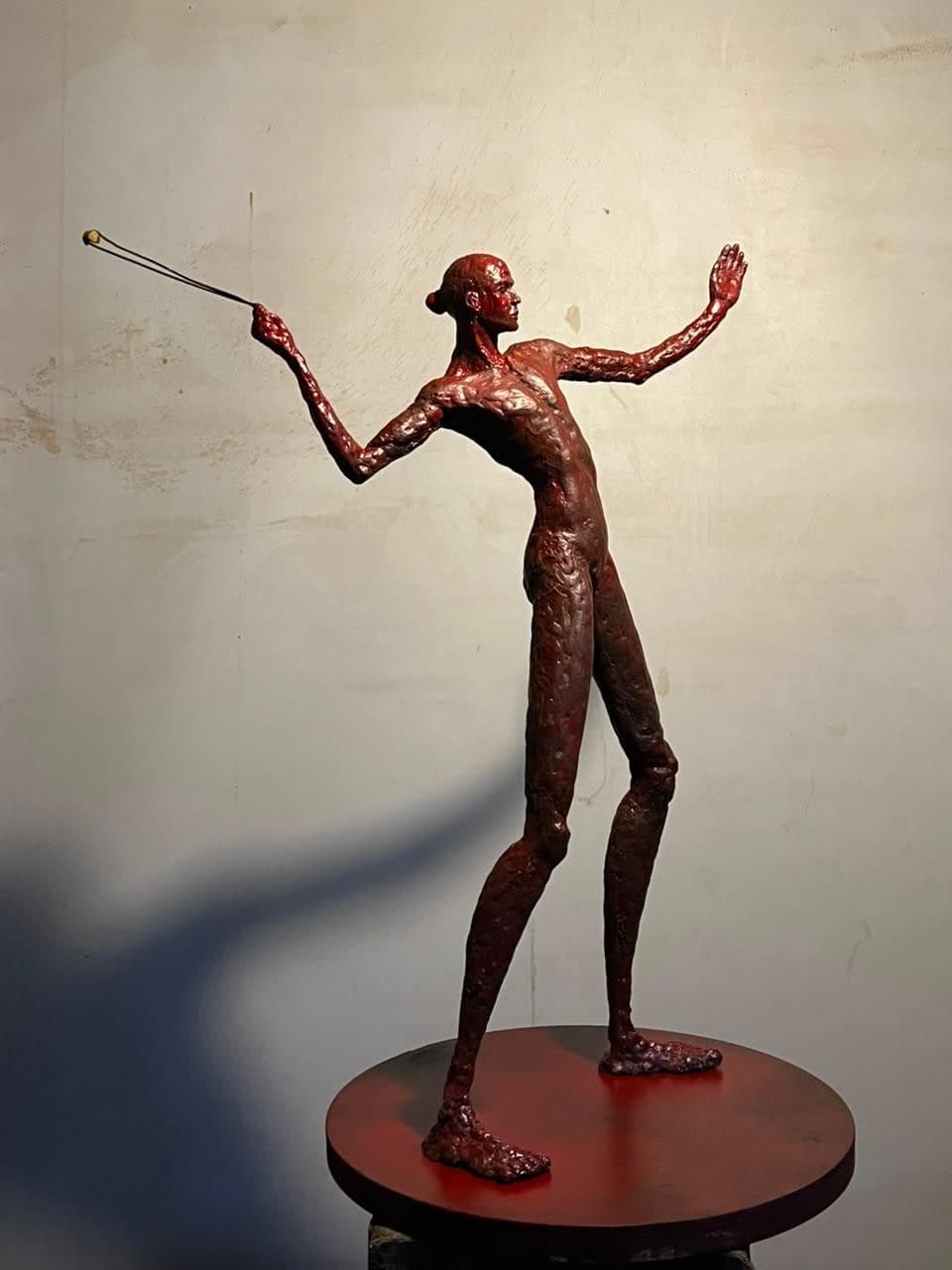
- The full figure. Freedom Throw is caught at the end of a sling throw, which means the whole body has to read as mid-movement while standing still on two points of contact.
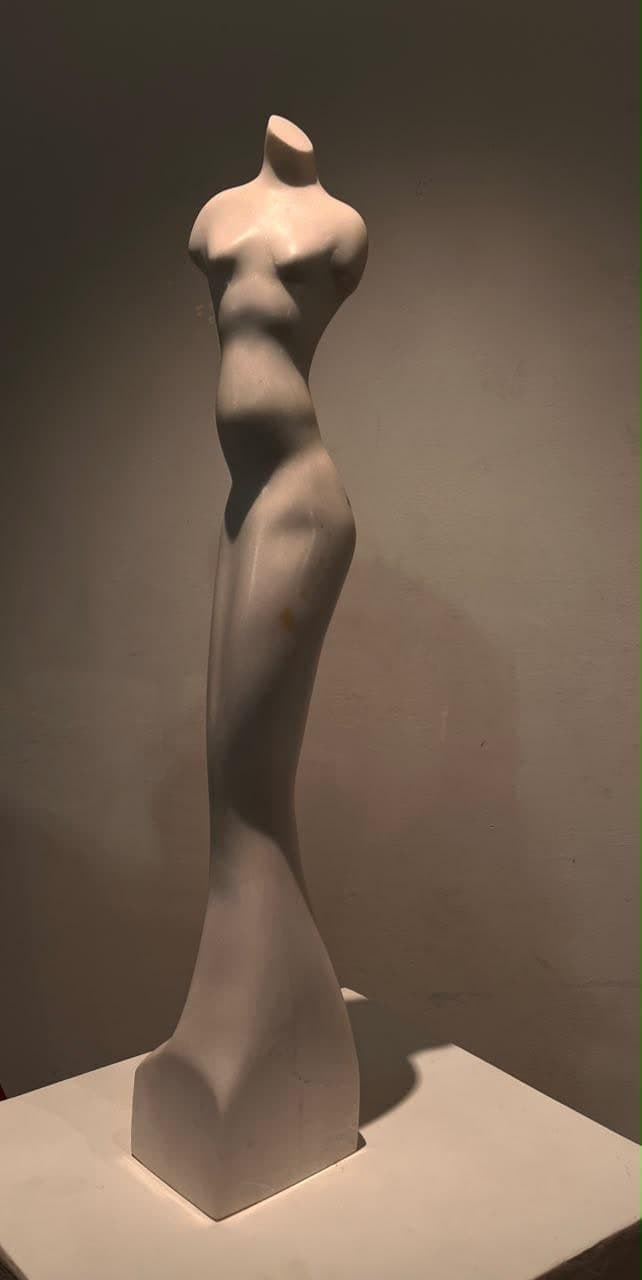
- The torso. The Long Turn removes the head, arms and legs, so everything the piece says has to be said through the spine.
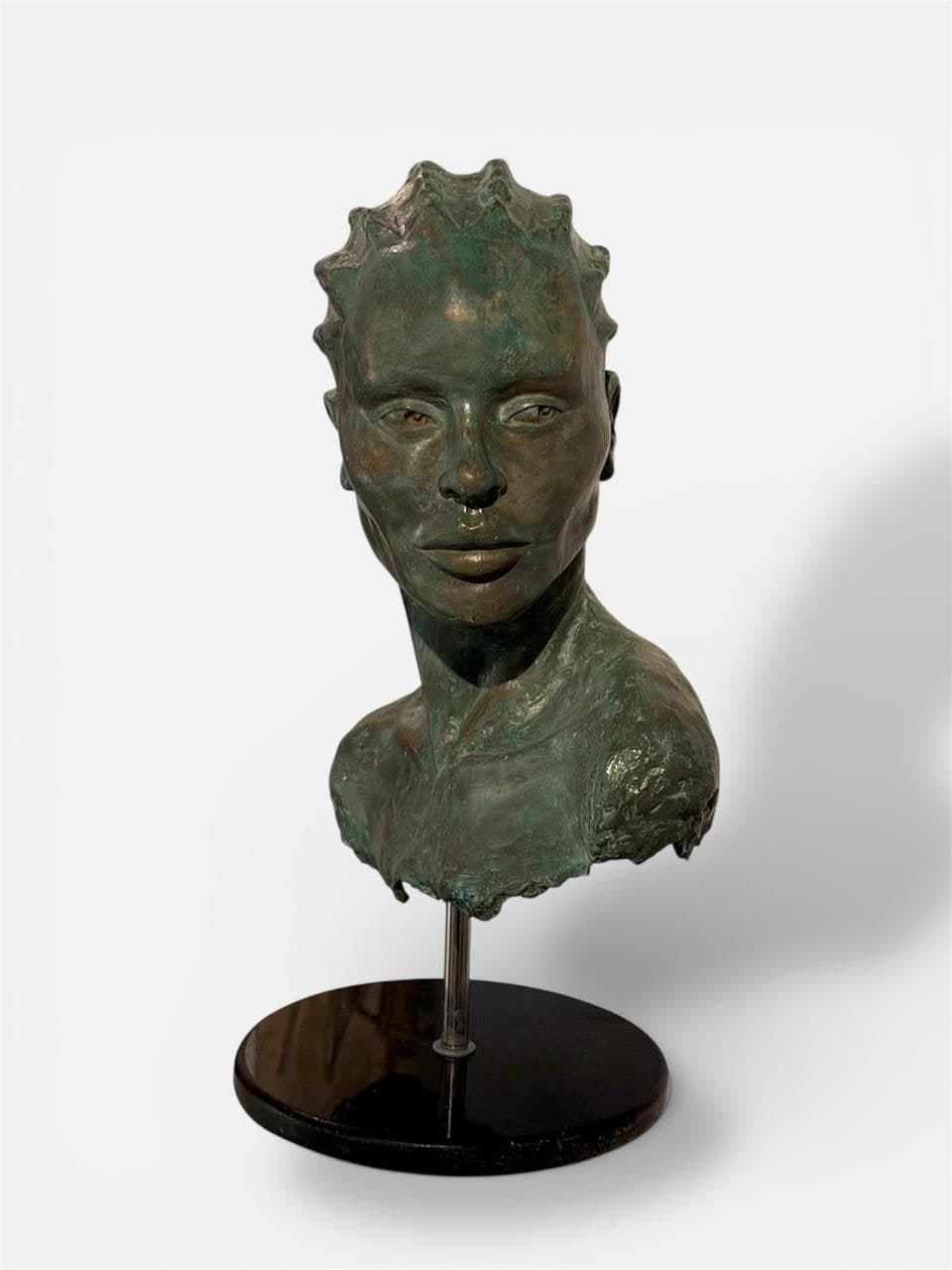
- The head. Warrior Head works close enough to hold an expression, where a millimetre at the eyelid changes what the face means.
Walk around it
A figure resolved from one angle is not resolved. The house looks at every piece from the back before the front, because the back is where a maker working from photographs stops paying attention. All three works here hold their form from every side, which is the main reason they were accepted against the Standard.
What these works carry
Every piece in this group carries a Mount Qaf Certificate recording the maker, the material, the edition where there is one, and the appraised value the house has set. Two of the three are cast bronze; the third is carved marble.