Unique vs Limited Edition: What You Are Buying
Edition language in sculpture is less standardised than buyers assume, and the gap between what a term implies and what it guarantees is where most disappointment lives.
What unique means
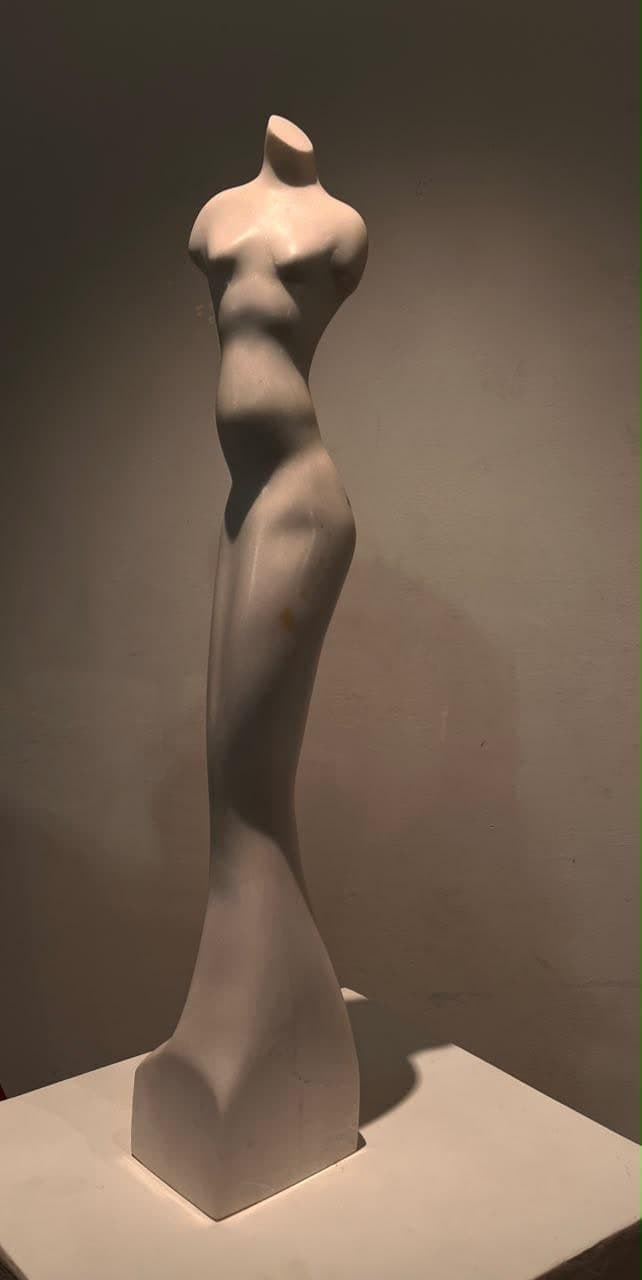
A unique work exists once. For carved stone this is a fact of the process rather than a decision: the maker removed material until the form appeared, and there is no mould, no second pull, and no way to produce another the same. The Long Turn is unique for exactly that reason, as is everything in the marble collection.
For cast work, unique is a choice. A maker can destroy the mould after one cast, and many do. That is a genuine commitment, but it is a commitment rather than a physical inevitability, which is why it should be recorded rather than asserted.
What an edition of eight means
A numbered edition is a series of separate castings from one mould, each finished by hand. In lost-wax bronze the ceramic shell is broken to release each cast, so every piece in the run is its own object rather than a copy stamped out of a machine. Two casts from the same edition will differ slightly in patina and chasing.
This is why edition size matters so much to value. Eight casts share the demand for that image between them. One carries it alone.
The questions that expose a weak edition
Is the run closed?
The important question is not how large the edition is but whether it can grow. A run that reopens in a different size, a different patina, or as an "artist’s proof" series has no scarcity left to price. Ask in writing whether the edition is closed.
How many artist’s proofs exist?
Proofs sit outside the numbered run by convention and are often not counted in the stated edition size. An edition of eight with six proofs is an edition of fourteen wearing a smaller number.
Is the number recorded anywhere but the object?
A number stamped into the base is only as good as the honesty of whoever stamped it. It should also appear on a record held by the issuing house, which is what the Mount Qaf Certificate does.
What the house does
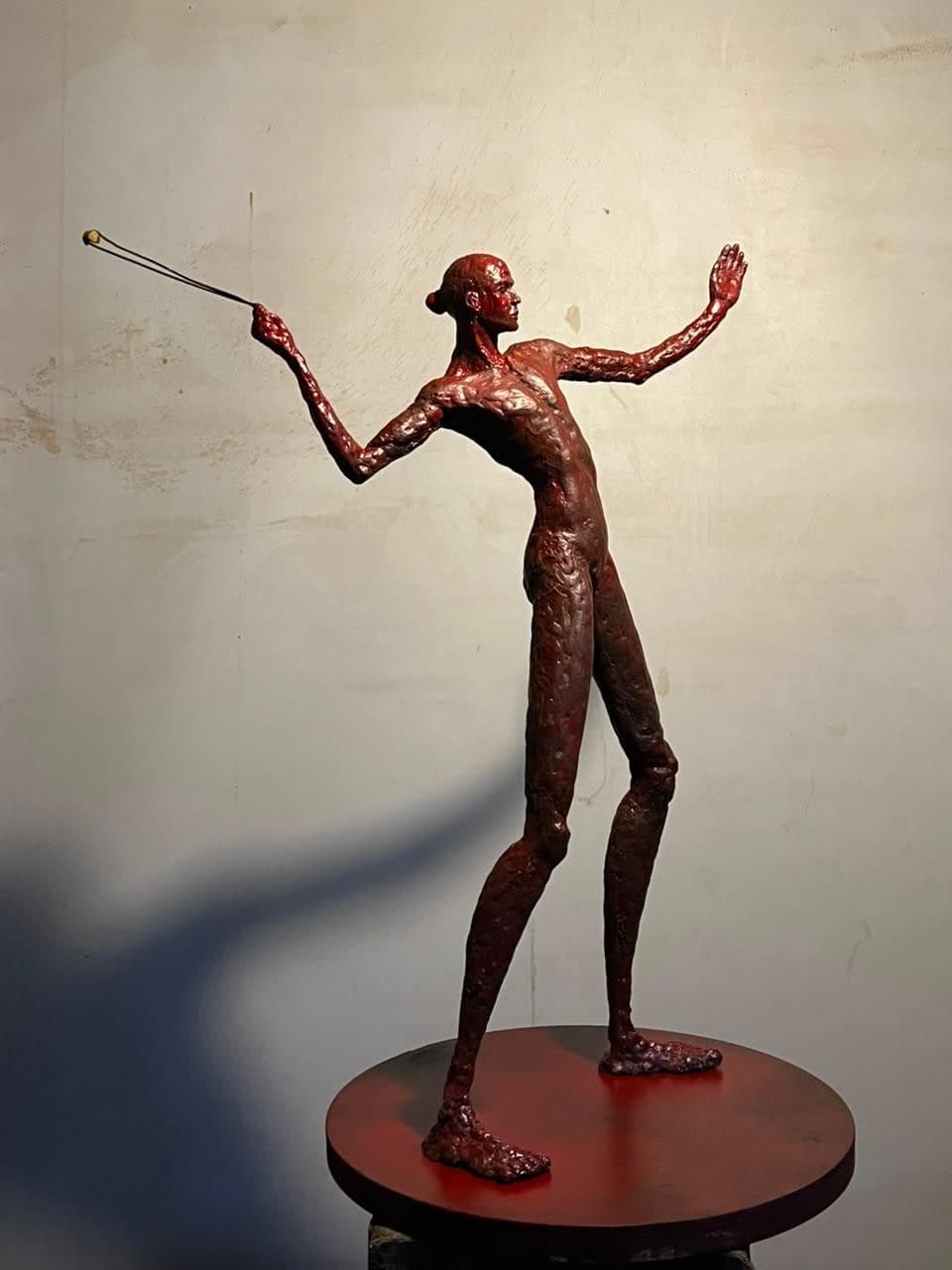
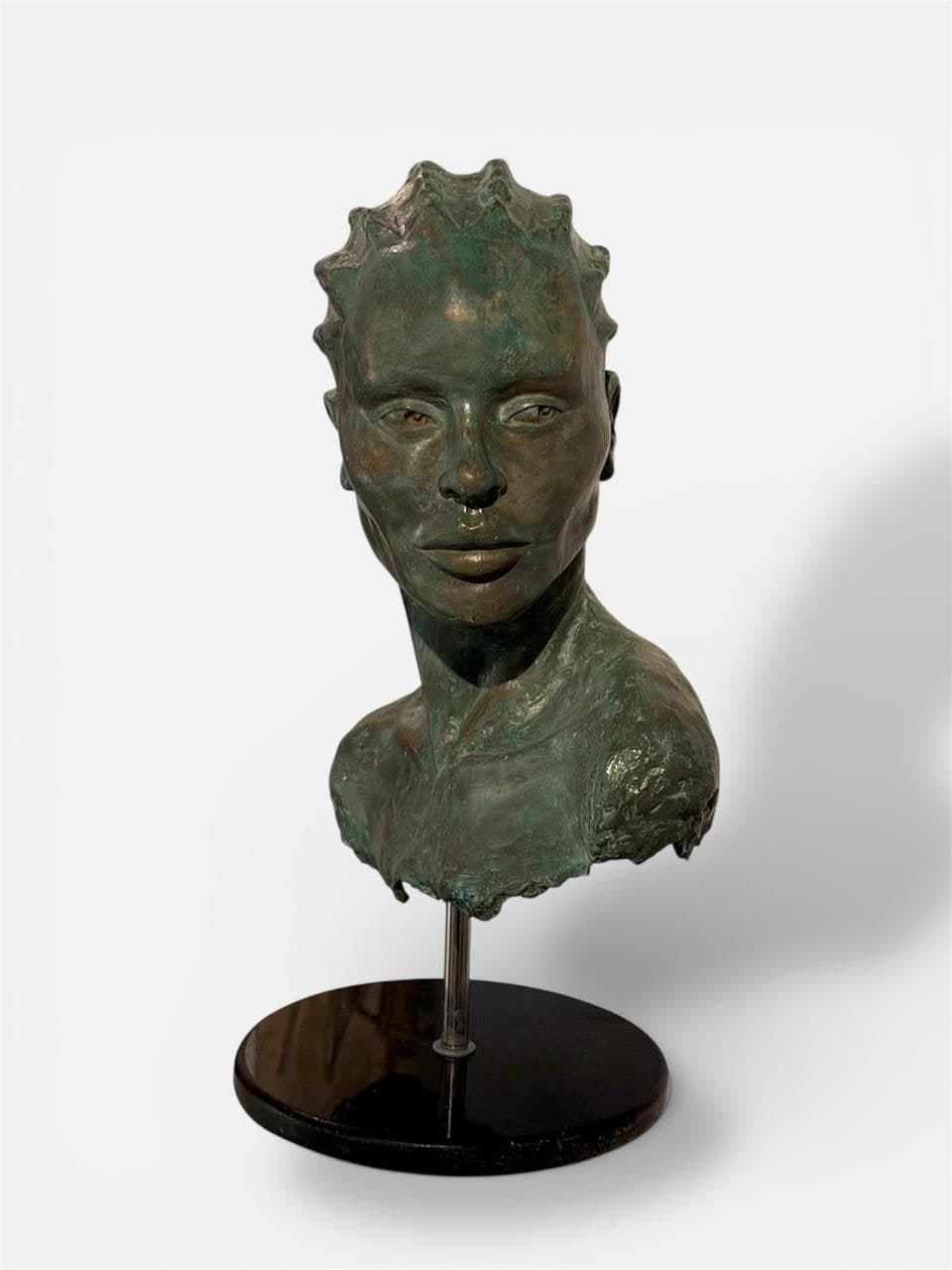
Editions here stay small and closed. When a run finishes it does not reopen, in any variation. The certificate records the number, so Freedom Throw is documented as 1 of 8 and Warrior Head as 2 of 6, and that record is checkable on the verification page rather than resting on the stamp alone.
Scarcity here is a fact of the making rather than a marketing device, which is the distinction the Standard is built around.
Which should you buy?
Neither is better. A unique carved work carries the whole of a maker’s attention and cannot be replaced, which is reflected in what it costs. A low-numbered cast from a closed run gives you a piece of a body of work at a price that reflects the shared edition, and the making is no less serious for it.
What matters is that the document tells you which one you own, in terms specific enough that it could never be moved to another object.